
The short answer
If you are asking the question, it is worth a look. Families almost never wonder about this too early. They wonder about it after a fall, a missed medication, or a phone call that did not sound right.
The signs below are the ones our nurses see most often. One on its own is rarely urgent. Three or four together usually means daily life has gotten harder than your parent is telling you.
In the house
- Expired food in the refrigerator, or very little food at all
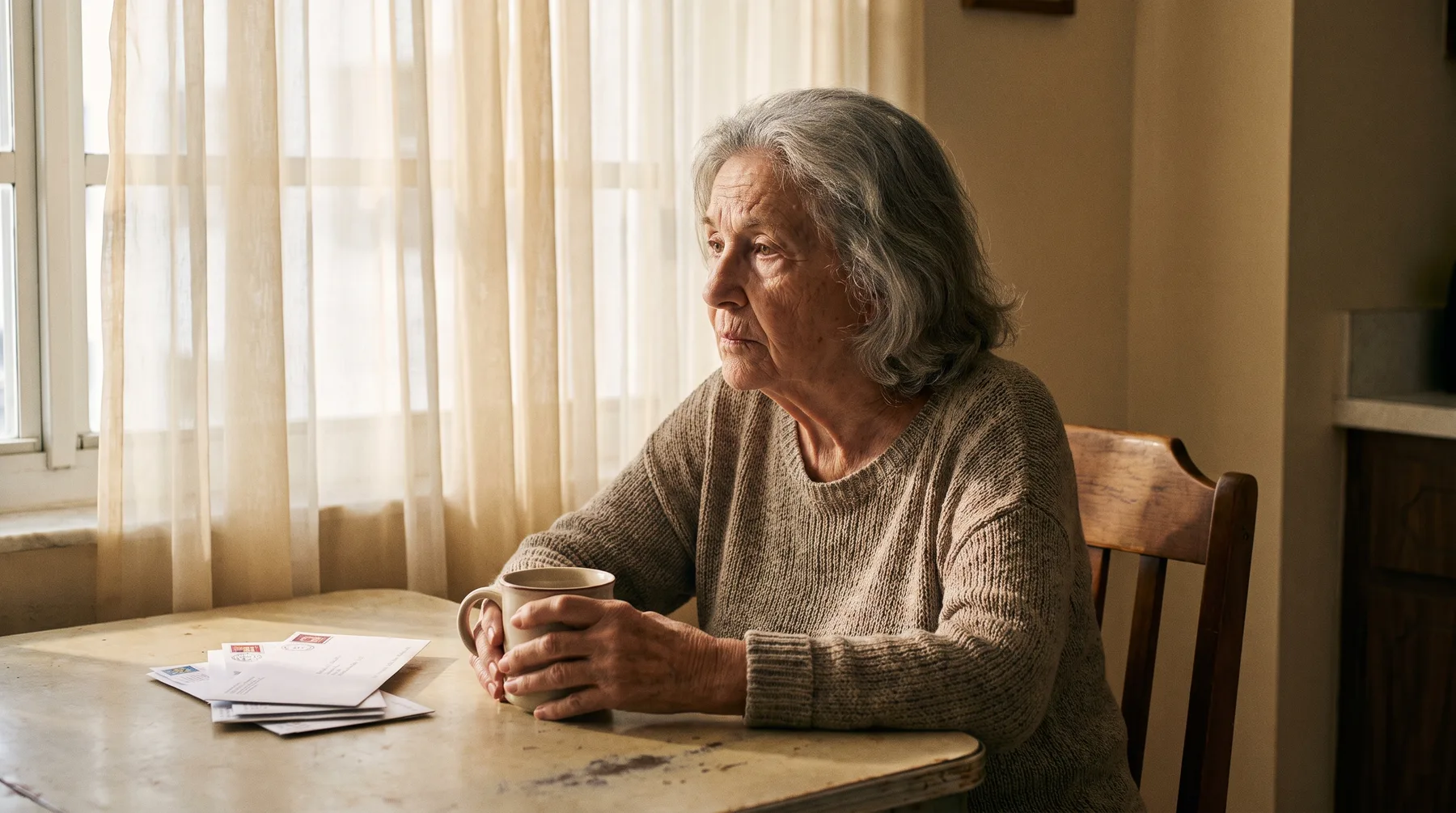
- Unopened mail stacking up, or notices from utilities
- Laundry and dishes piling up in a home that used to be tidy
- Scorched pots, or a stove left on
- A bathroom with nothing to hold on to near the tub or toilet
- Pill bottles with more left in them than there should be
In your parent
- Wearing the same clothes across several visits
- Weight loss you can see in the face or hands
- New bruises, especially on the arms or hips
- Holding furniture and walls to move between rooms
- Losing the thread mid-conversation, or repeating a story
- Pulling back from friends, church, or standing plans
What to do once you have noticed
Write down what you saw, with dates
Specifics beat impressions. A note that says the stove was left on twice in one week is something a doctor can act on. A note that says mom seems off is not.
Talk to your parent before you talk about them
Lead with what you noticed, not with what you have decided. People accept help far more readily when they are still the one choosing it.
Get a clinical read on the home
A nurse walking the house sees risks a family visit does not: the height of the bed, the lighting on the stairs, how the medications are actually being taken.
Start smaller than you think you need to
A few mornings a week is easier to accept than a full schedule, and it gives everyone a real look at what help actually changes.
When it is not a wait-and-see situation
Some things should move the same day. A fall that was hidden from you. A burn. Medication taken twice because the first dose was forgotten. Getting lost on a familiar route.
Any of these means the gap between what your parent can manage and what the day demands has already opened. Call their doctor first, then arrange help at home. Do not wait for the next scheduled appointment.
Common questions
My parent insists they are fine. What do I do?
That is the most common response, and it is usually about independence rather than denial. Start by asking what has gotten harder rather than what they cannot do. Framing help as something that keeps them in their home, instead of a step toward leaving it, changes the conversation.
How do I bring this up with my siblings?
Share the written notes, not the conclusions. Siblings who live farther away often have not seen the changes and will resist a decision that arrives fully formed. Dated specifics let everyone reach the same place together.
Is this the same as home health care?
No. Home health is skilled medical care ordered by a physician, usually after a hospital stay. What we provide is non-medical care at home: bathing, meals, mobility, medication reminders, and company. Many families use both.
What happens at the free RN home visit?
A registered nurse comes to the home within 24 hours of your call. They assess safety room by room, review medications, talk with your parent, and leave you with a written plan. You are free to take that plan elsewhere.